How to Choose the Best Provider for Liposuction Farmington Hills
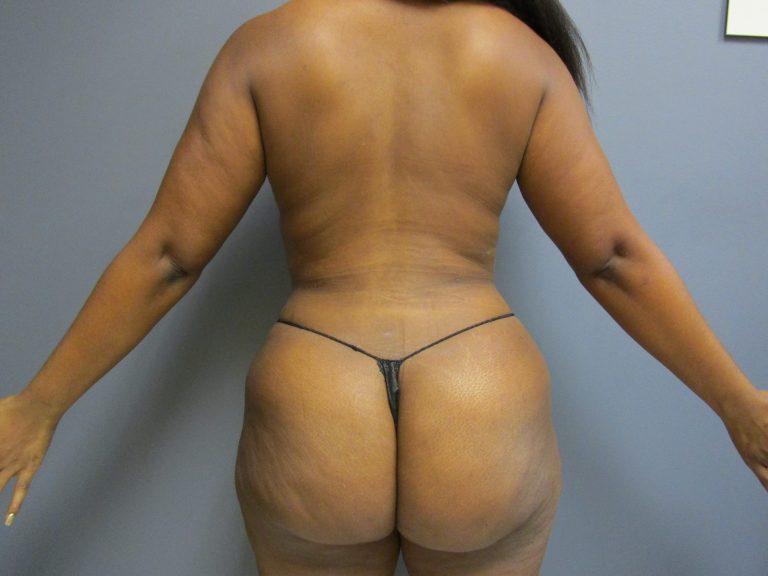
Choosing a provider for liposuction is not like choosing a med spa for a facial or booking a haircut because a friend liked the salon. The decision affects your safety, your contour, your recovery, and how you feel in your body months from now. When people start searching for Liposuction Farmington Hills, they often focus on before-and-after photos first. Photos matter, but they tell only part of the story.
The better approach is to think like a careful buyer and a cautious patient at the same time. You are not just purchasing a procedure. You are selecting the judgment, training, technical skill, and follow-through of the person who will operate on you. Liposuction Farmington HIlls In cosmetic surgery, small differences in judgment can produce very different outcomes, even when two patients ask for the same thing.
A strong provider does more than remove fat. They decide whether you are a good candidate in the first place, how aggressive or conservative the treatment should be, which areas can be shaped safely, and how to set expectations so you are not chasing an unrealistic result. That is why the “best provider” is rarely the cheapest, the flashiest online, or the one with the most heavily edited social media presence.
What makes liposuction a provider-sensitive procedure
Liposuction sounds straightforward when reduced to a simple phrase like “fat removal,” but the actual work is more nuanced. The surgeon must evaluate skin quality, the thickness and distribution of fat, how your body stores weight, and whether the tissues are likely to retract smoothly after suctioning. The same amount of fat removed from two different people can look elegant in one body and uneven in another.
This matters especially for common treatment areas such as the abdomen, flanks, inner thighs, outer thighs, upper arms, and under the chin. Each area behaves differently. The neck demands finesse because irregularities show quickly. The abdomen often requires restraint because over-resection can create unnatural hollows. The flanks may improve dramatically, but only if the provider respects surrounding contours and keeps the waist transition smooth.
Patients sometimes assume the main risk is simply “not losing enough fat.” In practice, the more meaningful concerns are contour irregularities, asymmetry, loose skin that was not adequately anticipated, prolonged swelling, and disappointment caused by poor planning. A provider with strong aesthetic judgment knows when liposuction will help, when another procedure may be better, and when the honest answer is, “I would not recommend surgery for you.”
That last answer is often a sign you are talking to the right person.
Start with credentials, but do not stop there
Training is the floor, not the ceiling. You want a provider with formal surgical credentials appropriate for performing liposuction, ideally a board-certified plastic surgeon or another surgeon Liposuction Farmington HIlls whose training and current practice legitimately include body contouring. Credentials alone do not guarantee excellent aesthetic outcomes, but a lack of them should give you pause.
Farmington Hills and the surrounding metro Detroit area give patients several options, which is good, but it also means marketing can blur important distinctions. Many practices advertise cosmetic treatments broadly. That does not mean every provider has the same level of surgical training, operating privileges, or experience with body contouring.
Look for details that are specific rather than vague. A credible practice usually explains who performs the procedure, where it is performed, what type of anesthesia is used, and what pre-op and post-op care are included. If a website leans heavily on lifestyle imagery, slogans, and financing language but says little about surgical training and patient selection, that is useful information in itself.
Experience also deserves a closer look. “Years in practice” can sound impressive, yet it tells you nothing about how much of the provider’s work is actually liposuction or body contouring. Someone who performs the procedure regularly, reviews outcomes critically, and manages both straightforward and complex cases is generally more valuable than someone who offers it occasionally as part of a long menu.
Why consultation quality tells you almost everything
If I had to judge a provider by one moment alone, it would be the consultation. A good consultation is not rushed, sales-driven, or dominated by generic promises. It should feel like an evaluation, not a pitch.
The provider should examine the areas you want treated, ask about weight stability, pregnancies, prior surgeries, scar history, medical conditions, medications, nicotine use, and your actual goal. There is a big difference between “I want a flatter stomach” and “I want to look exactly like I did at 22.” A thoughtful surgeon hears the difference immediately.
They should also explain whether your skin is likely to contract well after liposuction. This is where many patients get tripped up. Liposuction removes fat, but it does not tighten skin the way many people imagine. If the real issue is laxity, separated abdominal muscles after pregnancy, or a heavy apron of excess tissue, liposuction alone may disappoint you. An ethical provider will say so.
Good consultations often include phrases patients do not expect, such as, “I would treat this area lightly,” or “I would stage this rather than overdo it,” or “I think your best result may come from combining this with another procedure, but only if you are comfortable with that trade-off.” Those statements reflect judgment, and judgment is where excellent results usually begin.
By contrast, be careful with anyone who promises dramatic transformation without qualifying what is and is not realistic. People are vulnerable during cosmetic consultations. They want reassurance. The best surgeons reassure without overselling.
Before-and-after photos, read them carefully
Most patients glance at photos and ask, “Do these results look good?” A sharper question is, “Do these results look consistent, natural, and similar to what I want?” An office may have a few standout cases. What you want is evidence of repeatable quality across different body types.
Pay attention to whether the lighting, posture, and clothing are reasonably consistent. Extreme differences in pose can exaggerate results. Look at the transition zones, not just the center of the treated area. For example, after abdominal liposuction, does the waist flow naturally into the flanks? After arm liposuction, do the contours look smooth from shoulder to elbow? After chin liposuction, does the neck contour look cleaner without appearing skeletonized?
Also look for restraint. Some of the best work does not scream “procedure.” It simply makes the patient look better balanced. In body contouring, subtle precision often ages better than aggressive sculpting.
If you can, ask to see examples of patients whose body type resembles yours. A fit patient seeking refinement around the flanks is different from someone with thicker tissue and more skin laxity after significant weight change. The plan should differ too.
The importance of matching the procedure to the patient
One of the most common mistakes in cosmetic surgery is forcing the wrong procedure onto the wrong anatomy. Patients searching for Liposuction Farmington Hills often arrive with a clear idea of where they want less fullness, but not always with a realistic sense of what liposuction can correct.
A patient with firm skin, stable weight, and localized fat deposits is often a better candidate than someone hoping the procedure will solve generalized obesity or major loose skin. Liposuction is a contouring tool, not a weight-loss strategy. Many surgeons will say some version of this, but the important part is how they apply that principle to you specifically.
I have seen consultations go sideways when patients heard “yes” too quickly. One woman, years ago, had mild lower abdominal fullness but also notable laxity after two pregnancies. She wanted the smallest possible procedure. A less careful provider told her liposuction alone would do the trick. A more experienced surgeon explained that removing fat without addressing laxity could make the looseness more obvious. She did not love hearing it, but she later said that honest conversation saved her from paying for a result she would have regretted.
That is the kind of discernment worth paying for.
Facility standards and anesthesia deserve real attention
Patients sometimes spend hours comparing photo galleries and almost no time asking where the procedure will happen. That is backwards. The setting matters.
Liposuction may be performed in an accredited surgical facility, a hospital, or an office-based operating suite that meets appropriate standards. What you want is clarity. Who is giving anesthesia, if sedation or general anesthesia is used? What emergency protocols are in place? How is monitoring handled? What happens if your medical history makes you a less straightforward candidate?
A reputable practice is usually comfortable answering these questions directly. Vague or evasive answers are not a good sign. Neither is a dismissive attitude, as if safety questions are somehow overcautious. Competent teams expect informed patients to ask.
The discussion should also cover how much fat is planned for removal, whether multiple areas are being treated in one session, and what that means for recovery. More treatment is not automatically better. Longer procedures can mean more swelling, more fluid shifts, and a tougher recovery. Sometimes a conservative plan is the safer and smarter plan.
Cost matters, but price alone is a poor filter
Cosmetic surgery pricing can vary widely by market, provider experience, treatment area, anesthesia needs, and facility fees. That is normal. What deserves scrutiny is not simply a high or low number, but whether the pricing is transparent and whether the recommendation makes sense.
A very low quote can be tempting, especially when online searches for Liposuction Farmington Hills return a wide range of offers. But unusually low pricing sometimes signals corners being cut, a less qualified operator, or a bare-bones aftercare structure. It may also reflect that the quote covers only part of the actual cost.
On the other hand, the highest fee does not automatically buy the best result. You are looking for value, which in surgery means a careful evaluation, an appropriate plan, a safe setting, and experienced execution. Revision surgery is usually more expensive, more stressful, and less predictable than getting the first procedure done well.
Ask for a complete breakdown. That typically includes the surgeon’s fee, anesthesia, facility charges, garments, routine follow-up, and any likely add-ons. It is also fair to ask about revision policy. No ethical surgeon can guarantee perfection, but a reasonable conversation about how the practice handles concerns tells you something about accountability.
Questions worth asking during a consultation
Use your consultation to get specifics, not just general reassurance. These questions usually separate polished marketing from real substance:
- Am I a good candidate for liposuction alone, or is there something about my skin or anatomy that changes the plan?
- How often do you perform liposuction in the areas I want treated?
- Where will the procedure take place, and who will manage anesthesia and monitoring?
- What does recovery usually look like for someone like me, including swelling, compression, and time away from exercise?
- What result do you think is realistic in my case, and what limitations should I expect?
A strong provider will answer directly and in plain English. They should not need to hide behind jargon.
Watch how the office handles the unglamorous details
A surprisingly accurate indicator of practice quality is how the office manages routine communication. Are staff organized? Do they return calls? Is paperwork clear? Do they give pre-op instructions that make sense? When patients are confused about medications, garments, fasting, or drain care in procedures that require them, the office system matters just as much as the surgeon’s artistic eye.
This becomes even more important after surgery, when swelling peaks, bruising looks dramatic, and patients need reassurance about what is normal. A great result can feel emotionally messy during the first week or two. You want a practice that prepares you for that, not one that seems attentive until the deposit is paid and difficult to reach afterward.
I always tell patients to notice how they feel after the consult, not just during it. Did they leave informed, or merely persuaded? Did the team seem patient with careful questions? Cosmetic practices do not need to be warm and fuzzy to be excellent, but they should be professional, responsive, and consistent.
Red flags that should slow you down
Some warning signs are subtle, and some are not. If you notice several of these, it is wise to keep looking:
- You are promised a perfect result or told that risks are minimal to the point of sounding trivial.
- The provider does not spend much time examining you and seems ready to schedule surgery immediately.
- The practice is vague about credentials, facility standards, or who actually performs the procedure.
- Before-and-after photos look heavily curated, inconsistent, or too sparse to judge real experience.
- Pressure tactics appear early, especially limited-time pricing that pushes you to commit before you are ready.
The best cosmetic surgery decisions are rarely made under pressure.
Reviews are helpful, but they need context
Online reviews can reveal patterns, especially about communication, punctuality, billing, and bedside manner. They are less reliable for judging technical skill by themselves. Some unhappy patients had unrealistic expectations. Some delighted patients are reviewing their experience only days after surgery, long before swelling resolves. Both are understandable, but neither tells the whole story.
Read for themes rather than isolated praise or complaints. If multiple reviewers mention that the surgeon was blunt but honest, that may be a positive depending on your personality. If several mention poor follow-up, surprise fees, or difficulty getting help after surgery, pay attention.
It can also be useful to look for reviews that describe a full arc, from consultation through recovery and final result. Those tend to be more informative than one-line endorsements.
Recovery planning is part of choosing the right provider
People often shop for surgery as if the procedure itself is the only event that matters. In reality, recovery shapes the experience almost as much as the operation. A responsible provider will discuss swelling, bruising, fluid retention, temporary numbness, compression garments, activity restrictions, and the fact that final contour takes time.
That timing matters. Patients sometimes expect a near-final result in a few weeks, then panic when they still feel firm, puffy, or uneven. A seasoned provider prepares you for the normal healing process. They tell you that one side may settle before the other, that scar tissue can feel lumpy early on, and that patience is not optional.
Ask yourself whether the practice seems invested in that process. Good aftercare is not glamorous, but it is often what keeps a manageable recovery from turning into an anxious one.
Local fit matters more than many people expect
When searching for Liposuction Farmington Hills, many patients wonder whether they should stay local or travel for a surgeon with a bigger online profile. There is no universal answer. Traveling can make sense for highly specialized procedures, but for liposuction, proximity has real advantages. Easier follow-up, simpler access if concerns arise, and less logistical stress during recovery all matter.
Local providers also tend to understand the expectations of their market and can often offer practical scheduling and support that out-of-town surgical tourism cannot match. That said, local should not mean automatic. The right provider nearby is a convenience. The wrong provider nearby is still the wrong provider.
Trust the provider who can say no
This may be the most important point of all. In cosmetic surgery, a provider’s willingness to decline, modify, or delay treatment is not a weakness. It is often evidence of maturity and ethics.
The best surgeons are not trying to win every consultation. They are trying to create the right match between procedure, patient, and outcome. Sometimes that means recommending weight stabilization before surgery. Sometimes it means suggesting skin tightening or excisional surgery instead of liposuction. Sometimes it means advising against treating a certain area because the risk of irregularity is too high for the likely benefit.
Patients do not always love hearing those answers in the moment. Later, many are grateful.
If you are deciding among providers, pay attention to who made you feel most clearly understood, not just most enthusiastically welcomed. The right choice is usually the person who combined honesty with technical confidence, explained trade-offs without spin, and made you feel safer rather than more dazzled.
That is how you choose well. Not by chasing the loudest marketing, but by recognizing the quieter signs of real expertise.
Aesthetic Plastic Surgery & Laser Center, Michelle Hardaway M.D.
27920 Orchard Lake Rd
Farmington Hills, MI 48334
(248) 221-1957
FAQ About Liposuction Farmington Hills
What disqualifies you from getting liposuction in Farmington Hills?
A surgeon may recommend postponing or avoiding liposuction if a health condition, medication, or nicotine use raises the risk of surgery or poor healing. A consultation is needed to assess your medical history and whether the procedure fits your goals.
Can liposuction remove 20 pounds?
Liposuction is a body contouring procedure for localized fat. It is not a weight loss treatment, and a specific number of pounds is not a safe or useful target. The surgeon determines how much can be removed safely for each patient.
What are the risks of liposuction?
Risks include infection, changes in sensation, uneven contours, and complications from anesthesia or blood clots. A plastic surgeon can explain which risks apply to you and what to expect during recovery.
Ends · JOHNATHANIOYN083