Liposuction Farmington Hills for Busy Professionals: Planning Recovery Time
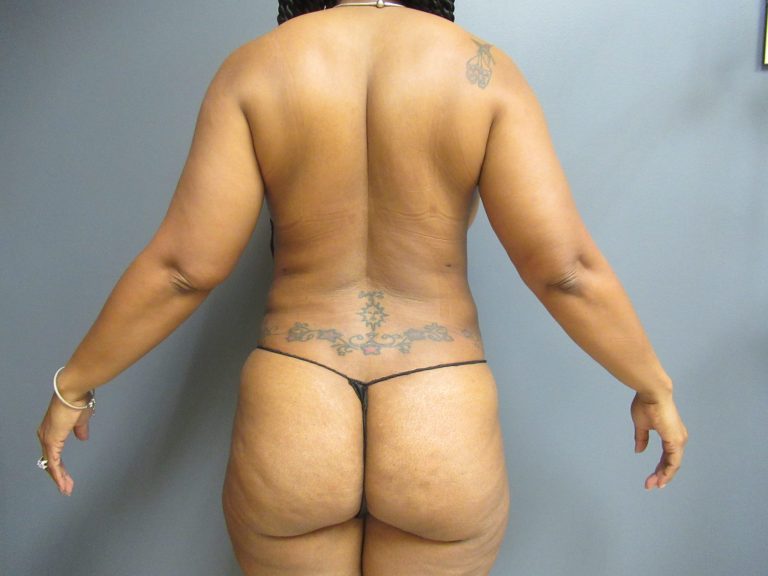
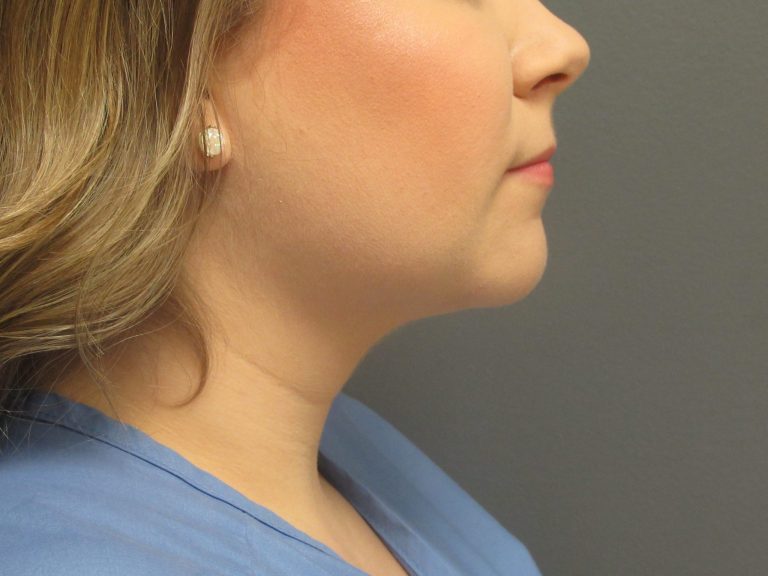
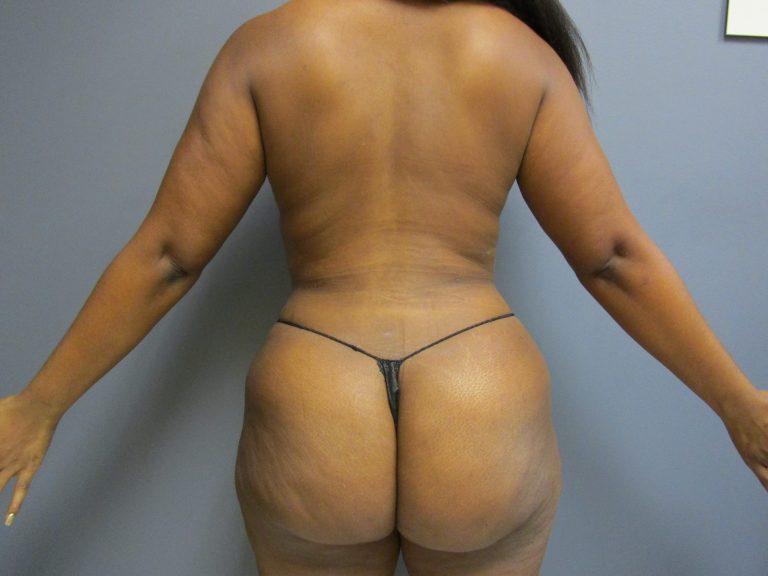
For busy professionals, liposuction is rarely just a cosmetic decision. It is a scheduling decision, a privacy decision, and often a stress-management decision. The question is usually not, “Can I do this?” It is, “How much time can I realistically step away from work, family obligations, commuting, and everything else that already fills the calendar?”
That is where planning matters more than people expect. The procedure itself may be straightforward, but recovery can feel less predictable if you are trying to answer emails from bed, sit through long meetings too soon, or return to a packed week because you assumed you would feel normal in forty-eight hours. Some patients do bounce back quickly. Others need more time, especially if Liposuction Farmington HIlls multiple areas are treated or their work is physically demanding. The smartest approach is not to aim for the shortest possible recovery. It is to build a recovery plan that protects your result and your energy.
Anyone considering Liposuction Farmington Hills should think about healing in practical terms. What does your workday really look like? Do you sit for ten straight hours? Are you on your feet seeing patients, clients, or customers? Do you travel? Do you have young children at home? Recovery time is not just about days off on paper. It is about what your body can comfortably handle while it is bruised, swollen, and adjusting.
Why recovery planning is different for professionals
Many professionals are good at handling pressure, but that strength can work against them after surgery. People who routinely push through discomfort at work often assume they will do the same during recovery. In reality, liposuction asks for a different kind of discipline. It rewards patience more than grit.
A corporate attorney can technically log in from home within a few days, but that does not mean eight hours of laptop work will feel easy. Someone in medical sales may look presentable before they feel fully mobile. A small business owner may have the flexibility to work remotely, yet still struggle with the stop-and-start demands of phone calls, deliveries, and staff questions. I have seen people prepare beautifully for the procedure itself and then underestimate how mentally tiring early recovery can be. Swelling, interrupted sleep, limited movement, and compression garments are not dramatic problems, but they are distracting ones.
Professionals also tend to plan around deadlines instead of healing phases. They say things like, “I can probably do it after quarter-end,” or, “I have one lighter week next month.” A lighter week is helpful, but it is usually not enough Liposuction Farmington HIlls by itself. The better question is whether you can create a true buffer on both sides of the procedure. That means reducing obligations before surgery, allowing enough protected time after, and not scheduling something high stakes right when you are likely to still feel tender or tired.
What “downtime” actually means
When surgeons discuss downtime, patients often hear “back to work” and translate that to “back to normal.” Those are not the same thing.
You may be able to answer emails, attend virtual meetings, or do light desk work before you are ready for commuting, prolonged sitting, lifting, or a full social schedule. You may feel decent in the morning and far less energetic by late afternoon. You may be functional without feeling polished. For professionals whose jobs depend on presence, stamina, and quick decision-making, that distinction matters.
Swelling is one of the biggest surprises. It can persist for weeks and sometimes months, even while daily function improves much sooner. Bruising often settles earlier, but soreness and fatigue can linger in the background. Compression garments help support healing, yet they can be uncomfortable under work clothing, especially if your job requires fitted attire, long drives, or in-person presentations.
A useful mindset is to divide recovery into stages rather than expecting one dramatic turning point. There is the first stage, where rest and mobility are the priorities. Then there is the stage where you can work, but still need to pace yourself. And finally there is the return to normal exercise, travel, and social confidence. Trying to compress those stages into one short window is where many professionals run into trouble.
The first week is not the time to prove anything
If your procedure is limited and your work is sedentary, you may be able to resume some responsibilities within several days. That said, most busy adults do better when they reserve at least a few uninterrupted recovery days without pretending they will be “sort of available.” Being half-on and half-off creates more strain than either working or resting.
During the first week, even simple routines take longer. Getting dressed is slower. Standing up from bed or a chair may feel stiff. You may need help with errands, meal prep, or child logistics, especially in the first couple of days. Sleep can be awkward, depending on the treated areas. If you are someone who normally runs from one commitment to the next, the forced deceleration can feel frustrating.
This is why timing surgery before a packed business week, a conference, or a child’s major event is rarely ideal. I have seen patients try to return in person too early because they felt guilty about taking time off. By midday they were swollen, sore, and counting the minutes until they could go home. A little more planning would have made the same recovery feel manageable rather than chaotic.
Matching recovery to the kind of job you actually have
Not all professional work stresses the body in the same way. “Desk job” sounds simple until you factor in commuting, business attire, and a calendar full of back-to-back meetings. Meanwhile, a hairstylist, dentist, physical therapist, or retail manager may have no heavy lifting requirements on paper but still spend hours standing, twisting, reaching, and engaging with people face-to-face.
People in flexible hybrid roles usually have the easiest time. They can often return in stages, first with short work blocks at home, then a partial office schedule, then full days once energy improves. Professionals with physically active jobs often need more conservative planning, even if they are otherwise very fit.
Commuting deserves special attention. A twenty-minute drive is different from an hour in traffic. Long car rides can be uncomfortable early on, especially if the abdomen, flanks, thighs, or lower back were treated. The same goes for frequent stair climbing, public transit, and carrying a work bag or laptop.
Travel-heavy professionals need to be particularly careful. Flying too soon after surgery is not just uncomfortable, it can complicate mobility, hydration, follow-up care, and swelling management. If your work involves regular travel, leave more margin than you think you need.
A realistic timeline for busy adults
The exact timeline depends on the areas treated, the amount of liposuction performed, your baseline health, and your surgeon’s protocol. Still, most professionals benefit from using a practical framework rather than optimistic guesswork.
- Days 1 to 3: Prioritize rest, short walks, hydration, and medication management. Assume you will not want meaningful work obligations during this period.
- Days 4 to 7: Light computer work may be possible for some people, especially from home, but energy can fluctuate. Keep commitments limited and easy to reschedule.
- Week 2: Many professionals can resume more normal desk-based work, though swelling, soreness, and fatigue often remain. In-person work may be manageable if the schedule is not intense.
- Weeks 3 to 4: Daily function usually improves significantly. You may still need compression, breaks from prolonged sitting, and caution with exercise or lifting.
- After one month and beyond: Most people feel much more like themselves, but final contour changes and residual swelling continue to evolve over time.
That outline is intentionally conservative, because conservative planning is usually what protects your stress level. If you recover faster, great. If you do not, you are not forced to perform wellness before your body is ready.
Choosing the right window on your calendar
The best time for liposuction is often not when life is quiet, because many adults never get a truly quiet season. It is when the next four to six weeks can absorb some flexibility.
For many professionals, a strategic Thursday or Friday procedure date works well. It gives you the weekend plus a few business days before deciding how much work you can realistically resume. Others prefer to align surgery with a planned slower period, such as after a major launch, after tax season, or between travel blocks. The key is not to place surgery immediately before an event where you need to look sharp, stand for hours, or project high energy.
Social obligations matter too. Recovery is easier when you are not trying to attend weddings, galas, school functions, or networking events while swollen and uncomfortable in compression garments. Patients often focus on work scheduling and forget that personal commitments can be just as draining.
If you are considering Liposuction Farmington Hills during a busy season, ask yourself whether you can protect the first seven to ten days from avoidable demands. If the answer is no, waiting may actually reduce overall stress and improve the experience.
The home logistics that make recovery smoother
Recovery goes better when daily life is simplified ahead of time. This does not require turning your house into a clinic. It means removing friction.
Set up a small recovery zone with water, chargers, medications, easy snacks, and anything you use often. If you live alone, prep simple meals in advance or arrange delivery for the first several days. If you have children, pets, or caregiving responsibilities, line up help before surgery, not after you realize standing in the kitchen is tiring.
Clothing matters more than people expect. Loose, easy layers save patience. If your professional wardrobe is structured or fitted, do not plan to slip back into it right away just because you can technically leave the house. Compression garments and post-procedure swelling do not always cooperate with tailored clothes.
One detail professionals often overlook is work communication. If you tell colleagues, “I’ll be checking in as needed,” they may check in constantly. It is better to be specific. A clear out-of-office message, delegated responsibilities, and one point person for true emergencies can make the difference between healing and spending all day managing minor issues.
What to ask at your consultation
Good recovery planning starts before you choose a surgery date. A strong consultation should cover not only candidacy and results, but also the ordinary realities of getting through the first few weeks while maintaining a career.
Ask direct questions that connect to your routine:
- How long do patients with jobs like mine usually take before returning to work?
- When can I comfortably drive, commute, and sit through a full workday?
- How long will I likely need compression garments, and how visible are they under clothing?
- What limits should I expect around lifting, exercise, and travel?
- If swelling or soreness lasts longer than expected, what is normal and what should prompt a call?
These questions often reveal more than generic recovery estimates. They also give your surgeon a better sense of the demands you will be returning to.
Working from home is not the same as resting
Remote work has changed how many people think about recovery. It has also made some people return too soon. There is a common assumption that if you do not have to commute, you are basically fine to work. That can be true for light tasks in small doses, but a full day of remote work can still be draining.
Video meetings require posture, attention, and social energy. Long hours at a desk can worsen stiffness and swelling. Even if your camera is off, your body is still healing while you are trying to think, respond, and perform. I often suggest that professionals returning remotely should build their day around short work blocks and movement breaks rather than attempting a standard eight- or nine-hour schedule immediately.
One executive I know planned her liposuction around a week of remote availability, assuming that would solve everything. By day four, she could answer messages but struggled with back-to-back strategy calls. She was not in crisis, but she was not comfortable either. Once she cut the schedule in half and delegated the nonessential meetings, recovery felt much more reasonable.
Privacy, appearance, and office culture
A practical concern for many professionals is not just how they will feel, but what others will notice. This varies widely by workplace. In some offices, no one comments on anything. In others, even a small change in routine invites questions.
Bruising and swelling are usually easy to conceal with clothing, depending on the treated areas. The bigger challenge is often behavior. Moving slowly, avoiding lifting, turning down lunch outings, or skipping after-work events can make coworkers curious. You do not owe anyone details. A simple statement like, “I had a procedure and I’m taking it easy for a bit,” is often enough.
If your role involves close client interaction, media appearances, or public speaking, schedule with extra caution. You may look presentable before you feel like your usual self. Confidence during recovery is affected by more than appearance. It is also about stamina, comfort, and mental bandwidth.
When to build in extra buffer time
Some situations call for a wider margin, even if your surgeon expects a smooth recovery. People overbook themselves most often when they are healthy, fit, and used to quick rebounds. Fitness helps, but it does not erase the body’s need to heal.
Build in more time if any of the following apply: multiple areas are being treated, your work is physical, you have little support at home, you have a long commute, or you tend to heal slowly from procedures. The same is true if your job has no real off switch. Business owners, senior leaders, and solo professionals often need more recovery planning, not less, because interruption comes with the territory.
There is also a psychological side to buffer time. Knowing you can take another day or two if needed lowers anxiety. That peace of mind often makes people feel better faster because they are not fighting the process.
The difference between a quick return and a smart return
Professionals often ask for the earliest possible return date. It is a fair question, but not always the most useful one. The better target is the earliest comfortable return that does not create setbacks or unnecessary strain.
A smart return usually has a few characteristics. The first is flexibility. If you can leave early, sit down when needed, or move a meeting without penalty, your first week back will go much better. The second is reduced physical demand. Even if you are back in the office, someone else may need to handle boxes, equipment, or prolonged standing tasks. The third is pacing. Save the marathon days for later.
This is especially relevant for anyone planning Liposuction Farmington Hills while juggling demanding careers. A polished recovery is usually less about toughness than about preparation. People who do best are rarely the ones who insist they will be unaffected. They are the ones who quietly arrange childcare, clear their schedule, prep meals, notify their team, and leave themselves room to heal.
Planning for the result, not just the procedure
Liposuction is often discussed as a one-day event, but the result is shaped by the weeks that follow. Swelling control, compression, mobility, follow-up appointments, and activity restrictions all influence how smooth that period feels. Busy professionals tend to do well when they treat recovery as part of the investment rather than an inconvenience to rush through.
If you are seriously considering the procedure, start with your calendar before you start with your wish list. Look for pressure points. Identify the week you cannot possibly miss, then work backward. Think about your commute, your wardrobe, your home responsibilities, and your tolerance for unpredictability. That level of planning may not feel glamorous, but it is what makes recovery manageable in real life.
The strongest recovery plans are practical, not heroic. They leave room for normal healing, imperfect energy, and the fact that even highly capable people need support after surgery. That is not a setback. It is simply good judgment.
Aesthetic Plastic Surgery & Laser Center, Michelle Hardaway M.D.
27920 Orchard Lake Rd
Farmington Hills, MI 48334
(248) 221-1957
FAQ About Liposuction Farmington Hills
What disqualifies you from getting liposuction in Farmington Hills?
A surgeon may recommend postponing or avoiding liposuction if a health condition, medication, or nicotine use raises the risk of surgery or poor healing. A consultation is needed to assess your medical history and whether the procedure fits your goals.
Can liposuction remove 20 pounds?
Liposuction is a body contouring procedure for localized fat. It is not a weight loss treatment, and a specific number of pounds is not a safe or useful target. The surgeon determines how much can be removed safely for each patient.
What are the risks of liposuction?
Risks include infection, changes in sensation, uneven contours, and complications from anesthesia or blood clots. A plastic surgeon can explain which risks apply to you and what to expect during recovery.
Ends · JOHNATHANIOYN083