What Foods Support Healing After Liposuction Farmington Hills?
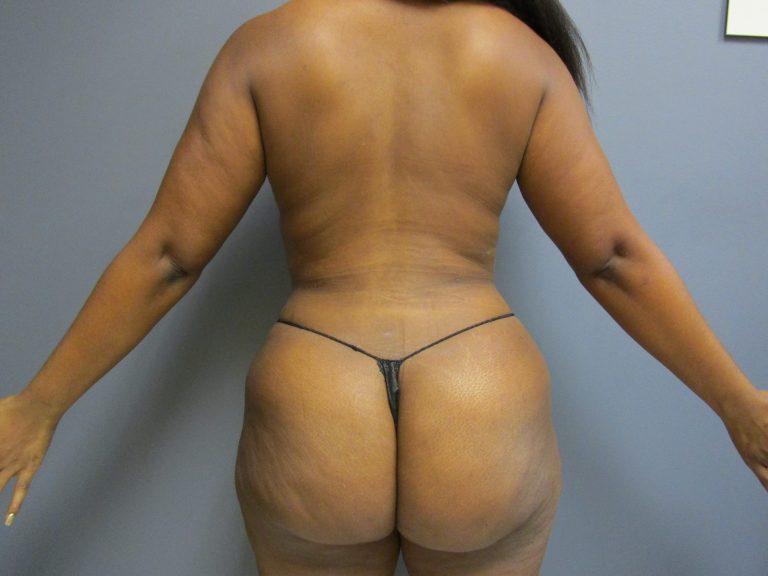
Recovering well after liposuction is not only about rest, compression garments, and follow-up appointments. Food matters more than many patients expect. Liposuction is less invasive than some other body contouring procedures, but it still places real demands on the body. Swelling, fluid shifts, bruising, soreness, and fatigue all require energy and raw materials to resolve. What you eat in the days and weeks after surgery can either support that process or quietly slow it down.
Patients often ask whether there is a perfect post-op menu. There is not. Healing nutrition is less about one magical food and more about a pattern: enough protein, steady hydration, foods rich in vitamins and minerals, and meals that are easy to digest Liposuction Farmington HIlls when your appetite is off. In practice, the best recovery diet is usually simple, regular, and built around foods your body recognizes and tolerates well.
For anyone preparing for liposuction in Farmington Hills, it helps to think of food as part of the recovery plan, not an afterthought. Good nutrition cannot replace surgical skill or proper aftercare, but it can help your body manage inflammation, repair tissue, and regain strength with fewer bumps in the road.
Why healing after liposuction needs nutritional support
Even a smooth procedure creates a controlled injury. Small blood vessels are disrupted. Fat cells are removed. The body responds by sending fluid, inflammatory cells, and repair signals to the treated area. That is why swelling and bruising are so common. It is also why many patients feel more tired than they expected for the first several days.
During this phase, the body needs amino acids to rebuild tissue, vitamin C to help form collagen, zinc for wound repair, and enough calories to do all that work. If nutrition is poor, healing can feel slower. People may notice more fatigue, more intense cravings, constipation from pain medication, or a tendency to retain fluid longer. These symptoms do not always point to a major problem, but they can make recovery feel heavier than it needs to.
One of the most common mistakes is eating too little because of nausea, stress, or the hope of “protecting” the liposuction result through aggressive dieting. That approach usually backfires. The body heals best when it is adequately fed. Restrictive eating right after surgery can leave you weak, dizzy, and more irritable, and it does nothing useful for tissue repair.
Protein comes first
If I had to choose one nutritional priority after liposuction, it would be protein. This is the macronutrient your body uses to rebuild damaged tissue, support immune function, and maintain lean muscle during a period of lower activity. Most adults recovering from surgery do better when they deliberately include protein at every meal instead of treating it as a side item.
Lean chicken, turkey, fish, eggs, Greek yogurt, cottage cheese, tofu, tempeh, beans, and lentils all work well. Protein shakes can also be practical, especially in the first few days when appetite is low and standing in the kitchen feels like a chore. What matters is consistency. A single high-protein dinner does not make up for a day spent nibbling crackers.
A simple target many patients can remember is 20 to 30 grams of protein per meal, adjusted for body size and overall health. That may look like two eggs plus Greek yogurt at breakfast, a chicken and rice bowl at lunch, and salmon with vegetables at dinner. Someone who prefers plant-based meals might choose tofu scramble, lentil soup, and a quinoa bowl with edamame. There is room for personal preference here. Recovery food does not need to be bland or joyless.
The best foods for the first week
The first week after surgery is its own category. Appetite can be unpredictable. Some people feel hungry right away, while others deal with nausea, bloating, or constipation. During this window, the most helpful foods are usually those that deliver nutrition without being heavy or hard to digest.
Soup is often underrated. A homemade chicken soup with vegetables and shredded chicken gives fluid, sodium, protein, and warmth, all of which can feel good when soreness and fatigue set in. Greek yogurt with berries is another reliable option because it offers protein, calcium, and vitamin C with very little effort. Oatmeal made with milk or fortified soy milk can be a useful breakfast if medications are bothering the stomach. Scrambled eggs, baked sweet potatoes, soft rice, applesauce, cottage cheese, and smoothies tend to go over well too.
Patients sometimes worry that eating carbohydrates will worsen swelling or weight gain after liposuction. That fear is usually overstated. Your body needs carbohydrates for energy, especially when it is healing. The better question is what kind. A bowl of oatmeal, fruit, potatoes, rice, or whole grain toast is very different from spending the day on salty chips and desserts. Gentle, minimally processed carbohydrates can make recovery easier, not harder.
Hydration affects swelling more than people realize
Many people expect that if they are puffy after liposuction, drinking less water might help. The opposite is usually true. Dehydration can make the body hold onto fluid more stubbornly. It can also worsen fatigue, constipation, headaches, and dizziness. Hydration matters before surgery, but it is especially important afterward when the body is trying to rebalance fluid levels.
Plain water is excellent, but it is not the only tool. Broth-based soups, herbal tea, diluted electrolyte drinks, and water-rich foods like melon, cucumber, and oranges can all contribute. If you were told to limit fluids because of another medical condition, follow your surgeon’s and physician’s guidance. For most healthy adults, though, regular sipping throughout the day is better than trying to catch up all at once.
A useful reality check is urine color. Pale yellow usually signals decent hydration. Very dark urine often suggests you need more fluids. If you feel weak, nauseated, or lightheaded and you have barely been drinking, that is a clue worth acting on quickly.
Vitamins and minerals that quietly do the heavy lifting
Patients often ask about supplements, but food should be the base. Whole foods deliver a package of nutrients that work together, and they are generally safer than loading up on pills without clear direction.
Vitamin C plays a well-known role in collagen formation and tissue repair. Citrus fruit, strawberries, kiwi, bell peppers, broccoli, and tomatoes are all useful choices. Zinc is another important player, especially in wound healing and immune support. You can find it in beef, pumpkin seeds, beans, shellfish, and dairy products. Iron matters too, particularly if you are prone to anemia or lost a meaningful amount of blood. Lean red meat, spinach, lentils, and fortified grains can help.
Healthy fats deserve mention as well. Patients sometimes avoid them after body contouring because the word “fat” feels wrong in the context of liposuction. That is understandable, but not nutritionally sound. The body needs fat for hormone function, cell membranes, and absorption of vitamins A, D, E, and K. Avocados, olive oil, nuts, seeds, and fatty fish like salmon can be part of a recovery-friendly diet.
This is where balance matters. A salad with grilled salmon, avocado, and mixed vegetables supports healing. A drive-through meal loaded with sodium and saturated fat may leave you more swollen and sluggish, even if the calories are similar.
Foods that help with bruising, bowel function, and energy
Recovery is not only about the incision sites. It is also about how the rest of the body handles the ripple effects of surgery. Bruising, constipation, low energy, and disrupted sleep are common complaints, and food can influence all of them.
For bruising, foods rich in vitamin C and vitamin K may be helpful as part of a normal balanced diet. That includes berries, citrus, leafy greens, broccoli, and Brussels sprouts. These are not instant fixes, but they support normal recovery processes.
Constipation is one of the most predictable post-op annoyances, especially if prescription pain medication is involved. A patient can be doing everything right and still end up uncomfortable by day three or four. This is where fiber and fluid work together. Oats, pears, prunes, beans, vegetables, and whole grains can help, but adding fiber without enough water often makes things worse. If your stomach feels delicate, start with softer sources like oatmeal, stewed fruit, lentil soup, or a smoothie with chia seeds rather than a huge raw salad.
Energy usually returns in stages. Most people are not ready for heavy meals right away, but they also do poorly when they live on toast and crackers for several days. Pairing carbohydrates with protein tends to steady energy better. Think apple slices with peanut butter, yogurt with fruit, or rice with eggs. These combinations are not glamorous, but they work.
A realistic recovery plate
When patients ask what a full day of eating should look like after Liposuction Farmington Hills, the answer is usually less complicated than they expect. It should be easy to prepare, rich in protein, moderate in fiber, and low enough in excess sodium that it does not aggravate fluid retention.
Here is one simple pattern that fits many people in the early recovery period:
- Breakfast could be oatmeal made with milk, topped with berries and a spoonful of nut butter, plus an egg or a side of Greek yogurt.
- Lunch might be chicken soup with vegetables, whole grain toast, and sliced fruit.
- A snack could be a protein smoothie with yogurt, banana, and spinach, or cottage cheese with peaches.
- Dinner often works best when it is straightforward, such as baked salmon, rice, and roasted zucchini or sweet potato.
- Evening hydration can be water or herbal tea, especially if medications are drying you out.
That kind of menu is not trendy, but it supports healing. It provides protein several times a day, includes anti-inflammatory foods, and is gentle enough for a recovering stomach.
Salt, sugar, and alcohol, where moderation matters
No surgeon expects perfect eating after surgery, but a few choices consistently make recovery harder. Highly processed salty foods tend to worsen bloating and swelling. That includes fast food, deli meats, instant noodles, chips, and frozen meals heavy on sodium. If a patient tells me they feel dramatically more puffy the morning after pizza and wings, I am rarely surprised.
Sugar is a little more nuanced. A cookie or small dessert is not going to derail healing, especially if it helps you eat when appetite is poor. The problem comes when most of your intake shifts toward sweets and refined snacks because they are convenient. Those foods crowd out protein and micronutrients, and they can leave energy levels swinging up and down.
Alcohol is the clearest item to treat cautiously. It can worsen dehydration, interact with pain medications and antibiotics, and potentially increase bruising or swelling. Most surgeons recommend avoiding it for at least the early recovery period, and sometimes longer depending on your medications and medical history. If you had liposuction in Farmington Hills and your care team gave you specific instructions about alcohol, follow those rather than assuming a single drink is harmless.
If your appetite is poor, do this instead of forcing big meals
A low appetite after surgery is common, especially within the first 48 to 72 hours. Patients often think they need to sit down to full plates of food to “do recovery right,” then feel discouraged when they cannot manage more than a few bites. Small, frequent meals are often smarter.
Keep food simple and accessible. A fridge stocked with yogurt cups, hard-boiled eggs, cut fruit, soup, and protein shakes can carry you through the roughest days better than an ambitious meal plan that depends on cooking from scratch. I have seen patients do very well on six small eating occasions a day when three normal meals felt impossible.
This is also a good time to accept help. If family or friends ask what you need, asking for a pot of soup, a grocery run, or a tray of prepared protein-rich meals is far more useful than flowers.
When supplements help, and when they complicate things
Many patients head into surgery with a shelf full of wellness products. Some are benign. Others are not. Certain supplements may increase bleeding risk or interact with medications, which is why surgeons often ask patients to stop them before and after surgery. Fish oil, vitamin E, ginkgo, garlic supplements, and some herbal blends come up often in these conversations.
After surgery, a basic multivitamin may be reasonable for some people, especially if appetite is poor, but it should not substitute for eating. Protein powder can be practical. Vitamin C may be recommended in some cases. Iron might be appropriate if you are anemic or at risk for it. The key point is that supplements should support the plan your surgeon approves, not create a second plan of your own.
If you are unsure, ask directly before restarting anything. A two-minute call to the office is better than guessing.
Special situations that deserve extra judgment
Not every patient heals under the same conditions. Someone with diabetes needs to care about blood sugar control because elevated glucose can affect wound healing. A patient with high blood pressure may need to be especially mindful of sodium. People with kidney disease, liver disease, or a history of bariatric surgery may need individualized advice that does not fit the standard post-liposuction nutrition script.
Vegetarian and vegan patients can absolutely recover well, but they often need to be more intentional about protein. Tofu, tempeh, edamame, lentils, beans, soy yogurt, and protein powders can fill the gap effectively. The issue is not whether plant-based eating works. It does. The issue is whether enough total protein and calories are actually making it onto the plate.
Patients over 50 sometimes need more attention to protein distribution because muscle loss happens more easily during periods of inactivity. Younger patients can get away with more nutritional sloppiness and still bounce back. Older adults often feel the consequences faster.
Signs your diet may be slowing your recovery
Most people do not need a complicated nutrition audit. A few simple warning signs tell the story. You may need to tighten up your recovery diet if you notice several of the following:
- You are skipping meals and relying mostly on crackers, sweets, or coffee.
- Your fluid intake is so low that your urine stays dark for much of the day.
- Constipation is getting worse and your diet contains very little fiber or water.
- You feel unusually weak, shaky, or lightheaded between meals.
- Swelling seems noticeably worse after repeated salty, highly processed meals.
These issues do not always mean something is medically wrong, but they are practical signals that the basics need attention.
What patients in Farmington Hills often overlook
People preparing for Liposuction Farmington Hills are often organized about logistics. They arrange rides, set up recovery spaces, and buy compression garments. Then they forget the kitchen. That is a mistake I see often. The easiest way to eat well after surgery is to prepare before surgery.
A few days ahead of time, stock protein-rich, low-effort foods. Cook a batch of soup. Buy fruit that does not require washing and chopping each time. Freeze individual portions if you live alone. Have electrolyte drinks or broth on hand in case plain water becomes unappealing. If you work from home, make sure you are not returning to a refrigerator filled only with condiments and leftovers no one wants.
This kind of preparation pays off most on day two and day three, when motivation drops. Recovery tends to go more smoothly when the right choices are the easy choices.
The bigger picture
Food will not determine your liposuction result all by itself, but it absolutely influences how your body gets through the healing phase. Protein supports tissue repair. Hydration helps manage swelling and energy. Fruits, vegetables, whole grains, and healthy fats provide the vitamins and minerals that healing quietly depends on. Too much sodium, too little food, and poor hydration tend to show up quickly in how you feel.
The best post-op diet is rarely dramatic. It is usually made of ordinary meals eaten consistently, even when you do not feel like making them. If you are planning liposuction in Farmington Hills, that is one of the smartest parts of recovery to think through ahead of time. A well-stocked kitchen may not be as visible as a compression garment, but it often does just as much behind the scenes.
Aesthetic Plastic Surgery & Laser Center, Michelle Hardaway M.D.
27920 Orchard Lake Rd
Farmington Hills, MI 48334
(248) 221-1957
FAQ About Liposuction Farmington Hills
What disqualifies you from getting liposuction in Farmington Hills?
A surgeon may recommend postponing or avoiding liposuction if a health condition, medication, or nicotine use raises the risk of surgery or poor healing. A consultation is needed to assess your medical history and whether the procedure fits your goals.
Can liposuction remove 20 pounds?
Liposuction is a body contouring procedure for localized fat. It is not a weight loss treatment, and a specific number of pounds is not a safe or useful target. The surgeon determines how much can be removed safely for each patient.
What are the risks of liposuction?
Risks include infection, changes in sensation, uneven contours, and complications from anesthesia or blood clots. A plastic surgeon can explain which risks apply to you and what to expect during recovery.
Ends · JOHNATHANIOYN083